Introduction
Measles in children is a serious and highly contagious illness. It often starts with a fever and a rash. Many parents worry about measles symptoms in kids, especially during outbreaks. Because measles can spread quickly, it is important to know how measles spreads and how to protect your family. This blog will explain the signs, causes, diagnosis, measles treatment options, and measles prevention for families. Staying informed helps keep your child safe and healthy.
What is Measles?
Measles is a viral infection that mostly affects children. The virus spreads easily from person to person. Although measles can be dangerous, it is preventable with a vaccine. In the United States and many other countries, measles cases have dropped due to vaccination. However, outbreaks can still happen if vaccination rates fall.
Symptoms of Measles in Children
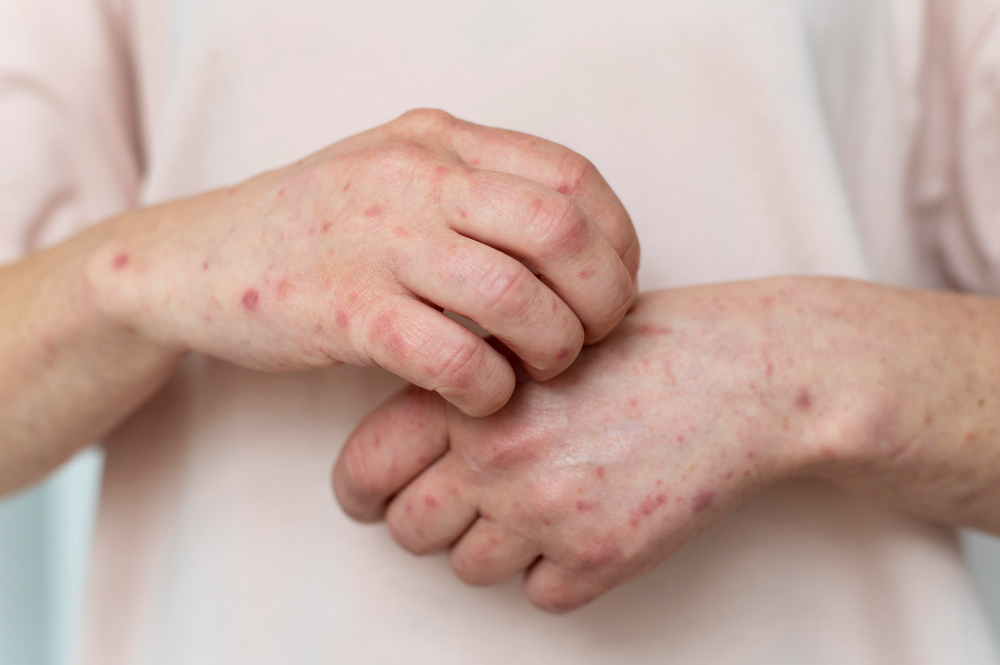
Early signs of measles in children can look like a common cold. However, the illness quickly becomes more serious. Watch for these symptoms:
Usually, the rash appears three to five days after the first symptoms. The rash often lasts about a week. If your child shows these signs, contact your doctor right away.
Causes and How Measles Spreads
Measles is caused by the measles virus. It spreads through the air when an infected person coughs or sneezes. Even after the person leaves the room, the virus can stay in the air for up to two hours. Because of this, measles spreads very easily, especially in places where people gather, like schools or playgrounds.
Children who have not been vaccinated are at the highest risk. In addition, babies too young for the vaccine and people with weak immune systems are more likely to get sick. According to the CDC, one person with measles can infect up to 90% of people nearby who are not immune.
Diagnosis of Measles
Doctors usually diagnose measles by looking at the symptoms and the rash. Sometimes, they may order a blood test or a swab from the nose or throat to confirm the infection. Early diagnosis helps prevent the spread of the virus to others. If you think your child has measles, keep them at home and call your doctor for advice.
Treatment Options for Measles
There is no specific medicine to cure measles. However, most children recover with proper care at home. Doctors may suggest:
In some cases, children may need hospital care if they develop complications. These can include pneumonia, ear infections, or dehydration. Always follow your doctor’s advice for the best care.
Prevention and Vaccination
The best way to prevent measles in children is through vaccination. The measles, mumps, and rubella (MMR) vaccine is safe and effective. Children usually get the first dose at 12 to 15 months old and a second dose at 4 to 6 years old. According to the CDC, two doses of the MMR vaccine are about 97% effective at preventing measles.
Other ways to protect your family include:
If you plan to travel outside the United States, check with your doctor about extra vaccine needs. Some countries have higher rates of measles.
Home Care and Lifestyle Tips
While your child recovers from measles, you can help them feel better at home. Here are some tips:
If symptoms get worse or you notice new problems, call your doctor right away.
Conclusion
Measles in children can be serious, but it is preventable. Vaccination is the best protection for your family. If you suspect measles in your child, consult a pediatrician for personalized advice. Early care and prevention help keep your child and community safe.