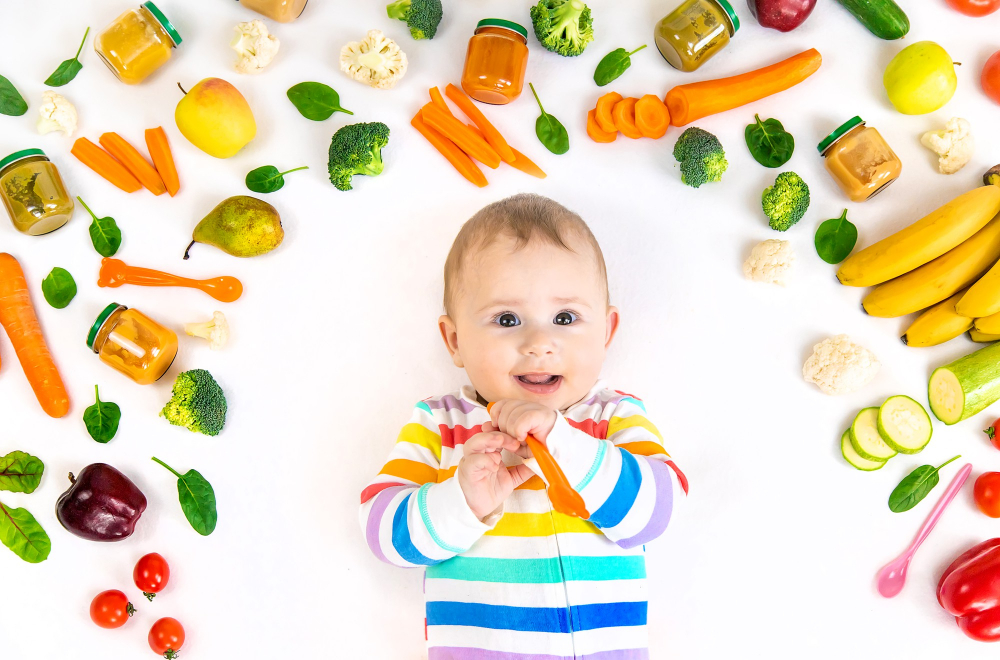
Good nutrition is key for your child’s growth and learning. The best foods for your child’s development help build strong bodies and sharp minds. Healthy foods for kids, like fruits, vegetables, and whole grains, support child growth nutrition. In addition, foods that boost brain development can help your child do well in school and life. This guide will show you what to feed your child for the best results.
Why Nutrition Matters for Child Development
Proper nutrition shapes your child’s future. For example, it helps children grow taller, learn faster, and stay healthy. When kids eat well, they have more energy to play and learn. According to the World Health Organization (WHO), poor nutrition can lead to slow growth and weak immunity. Therefore, giving your child the right foods is one of the best gifts you can give.
Essential Nutrients for Growing Children
Children need a mix of nutrients every day. Each nutrient plays a special role in their growth and health. Here are the most important ones:
Because each nutrient is important, a balanced diet is best for your child’s development.
Top Foods for Brain Development
Some foods are especially good for your child’s brain. For instance, they help with memory, focus, and learning. Try to include these foods often:
Because these foods are packed with nutrients, they support healthy brain growth and function.
Best Foods for Physical Growth and Immunity
Physical growth and strong immunity go hand in hand. Therefore, offer your child a variety of foods to help them grow and fight off illness. Here are some top choices:
In addition, make sure your child drinks enough water every day. Hydration is important for every part of the body.
Tips for Encouraging Healthy Eating Habits
Getting kids to eat healthy foods can be tough. However, there are ways to make it easier. Try these tips:
Because habits form early, starting now can help your child make better choices for life.
Foods to Limit or Avoid
Some foods can harm your child’s health if eaten too often. For example, too much sugar or salt can lead to health problems. Try to limit or avoid these:
Instead, choose fresh, whole foods whenever possible. This helps your child stay healthy and strong.
Frequently Asked Questions (FAQs)
How much protein does my child need?
Most children need about 1 gram of protein per kilogram of body weight each day. For example, a 20 kg child needs about 20 grams daily.
Are dairy products necessary for growth?
Dairy is a good source of calcium and vitamin D. However, if your child cannot have dairy, offer other sources like fortified plant milks, tofu, or leafy greens.
What if my child is a picky eater?
Keep offering a variety of foods. Sometimes, it takes many tries before a child accepts a new food. Stay patient and positive.
Should I give my child vitamins?
If your child eats a balanced diet, extra vitamins are usually not needed. However, talk to your doctor if you are concerned.
Conclusion
In summary, the best foods for your child’s development are fresh, colorful, and full of nutrients. Because every child is unique, their needs may vary. Consult a pediatrician or nutritionist for personalized advice on your child’s diet.