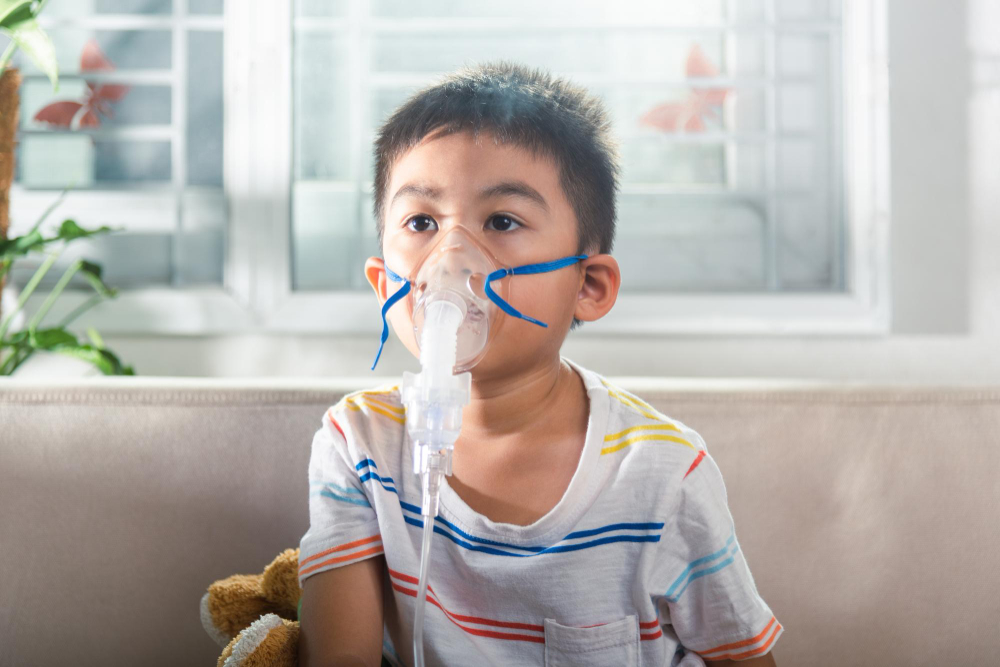
What is Bronchiolitis in Children?
Bronchiolitis in children is a common lung infection. It mostly affects babies and young kids under two years old. This illness causes swelling in the small airways of the lungs, making it hard to breathe. Usually, bronchiolitis starts with cold-like symptoms. However, it can quickly get worse. Most cases happen in the winter and early spring. Early care helps children recover faster.
Common Symptoms of Bronchiolitis
At first, bronchiolitis symptoms may look like a simple cold. But as the illness progresses, breathing problems can develop. Watch for these signs:
Because symptoms can change quickly, it is important to watch your child closely.
Causes and Risk Factors
Bronchiolitis is usually caused by a virus. The most common one is the respiratory syncytial virus (RSV). Other viruses, like influenza and parainfluenza, can also cause it. Children catch these viruses from coughs, sneezes, or touching contaminated surfaces. Some kids are at higher risk, such as:
Because these factors increase risk, extra care is needed for vulnerable children.
How Bronchiolitis is Diagnosed
Doctors diagnose bronchiolitis in children by checking symptoms and doing a physical exam. Often, they listen to your child’s lungs with a stethoscope. In most cases, no special tests are needed. However, sometimes a doctor may order:
Because early diagnosis helps, see a doctor if you notice breathing problems.
Treatment Options for Bronchiolitis
Most children with bronchiolitis get better at home. Treatment focuses on easing symptoms. There is no specific medicine to cure the virus. However, your doctor may suggest:
In some cases, children need hospital care. This happens if they have trouble breathing or are very dehydrated. Hospital treatment may include oxygen or IV fluids. Because each child is different, always follow your doctor’s advice.
Home Care and Lifestyle Tips
Home care is important for recovery. Here are some tips to help your child feel better:
Because rest and comfort speed up healing, make sure your child stays calm and relaxed.
Preventing Bronchiolitis in Children
While you cannot prevent all cases, you can lower the risk. To help prevent bronchiolitis in children, try these steps:
Because prevention is key, follow these tips to protect your child from illness.
When to Seek Medical Help
Sometimes, bronchiolitis symptoms can get worse quickly. You should call a doctor right away if your child:
Because early treatment can prevent serious problems, do not wait if you are worried.
In summary, bronchiolitis in children is common but can be serious. Watch for symptoms, follow home care tips, and know when to seek help. Consult a pediatrician for personalized advice if your child shows symptoms of bronchiolitis.