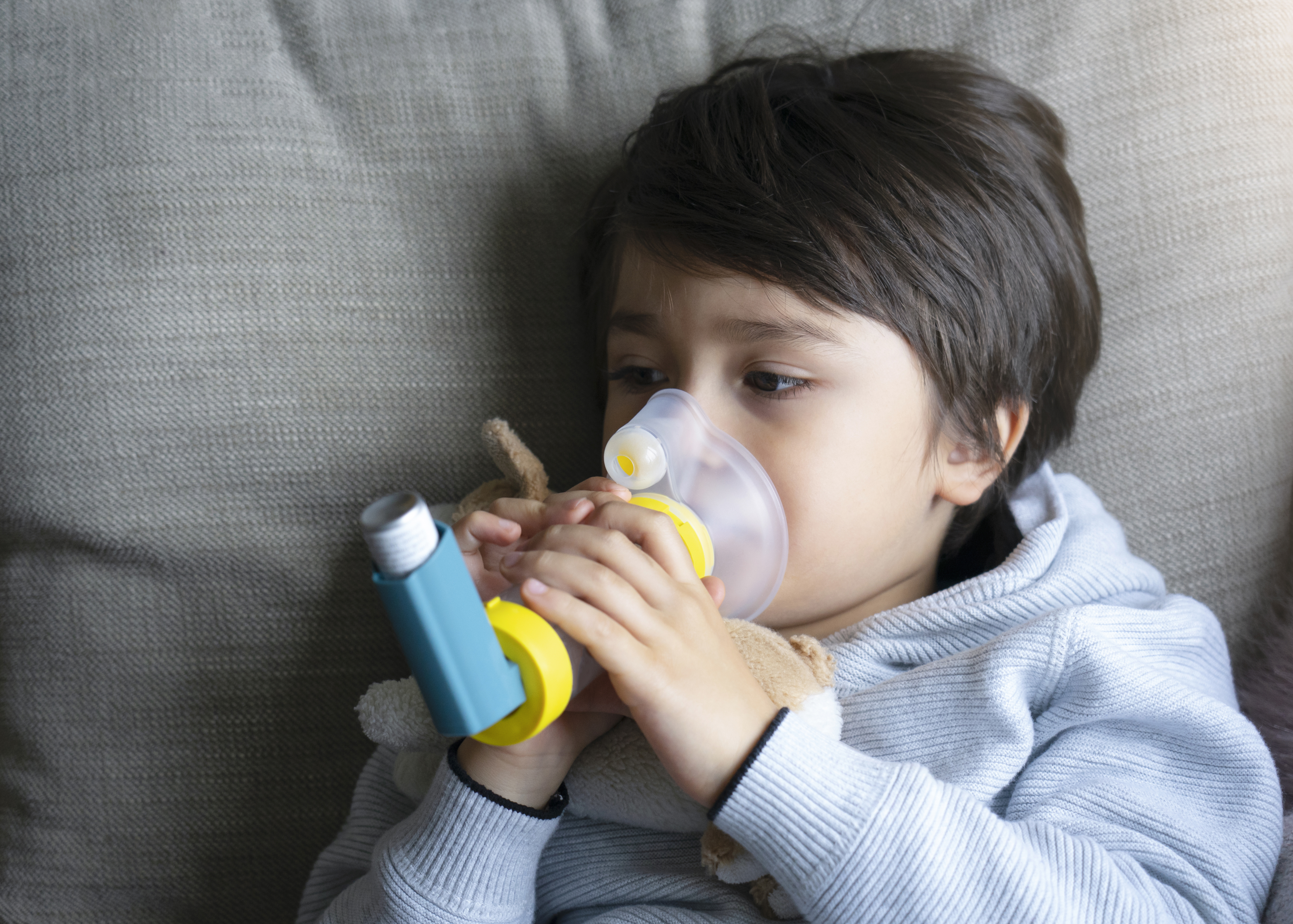
Understanding Childhood Asthma
Childhood asthma is a long-term lung condition that makes it hard for children to breathe. It causes the airways to swell and narrow. Because of this, children may cough, wheeze, or feel short of breath. It is one of the most common chronic illnesses in children. However, with the right care, most kids can lead active lives. Parents play a key role in managing childhood asthma triggers and keeping symptoms under control.
Common Asthma Triggers in Children
Many things can set off asthma symptoms in children. These are called asthma triggers. Knowing these triggers helps parents prevent asthma attacks. For example, some triggers are found indoors, while others are outside. Here are the most common childhood asthma triggers:
Because every child is different, triggers may vary. But, most children have more than one trigger.
How to Identify and Avoid Asthma Triggers at Home and School
First, watch for patterns in your child’s symptoms. For instance, note when and where coughing or wheezing happens. This can help you spot triggers. Next, talk to your child’s doctor about possible triggers. They may suggest allergy testing or keeping a symptom diary. Once you know the triggers, you can take steps to avoid them both at home and at school.
In addition, check local pollen and air quality reports. On high-risk days, keep windows closed and limit outdoor play.
Practical Tips for Managing Asthma Triggers Daily
Managing childhood asthma triggers takes daily effort. Still, small changes can make a big difference. Here are some practical asthma trigger avoidance tips:
Because triggers can change with the seasons, review your plan often. Also, involve your child in managing their asthma as they grow older.
When to Seek Medical Help
Even with good prevention, asthma symptoms can flare up. Therefore, it is important to know when to get help. Seek medical care if your child:
If you are unsure, call your doctor or go to the nearest clinic. Quick action can prevent serious problems.
Prevention Strategies and Lifestyle Guidance for Families
Prevention is key in childhood asthma management. For example, regular doctor visits help track your child’s asthma. In addition, keeping vaccines up to date can prevent infections that trigger asthma. Here are more prevention tips for families:
Because every family’s needs are different, talk to your healthcare provider for advice that fits your situation.
Conclusion
Managing childhood asthma triggers helps your child stay healthy and active. With careful planning and daily steps, you can reduce asthma attacks and improve your child’s quality of life. For the best results, consult a pediatrician for personalized asthma management advice.