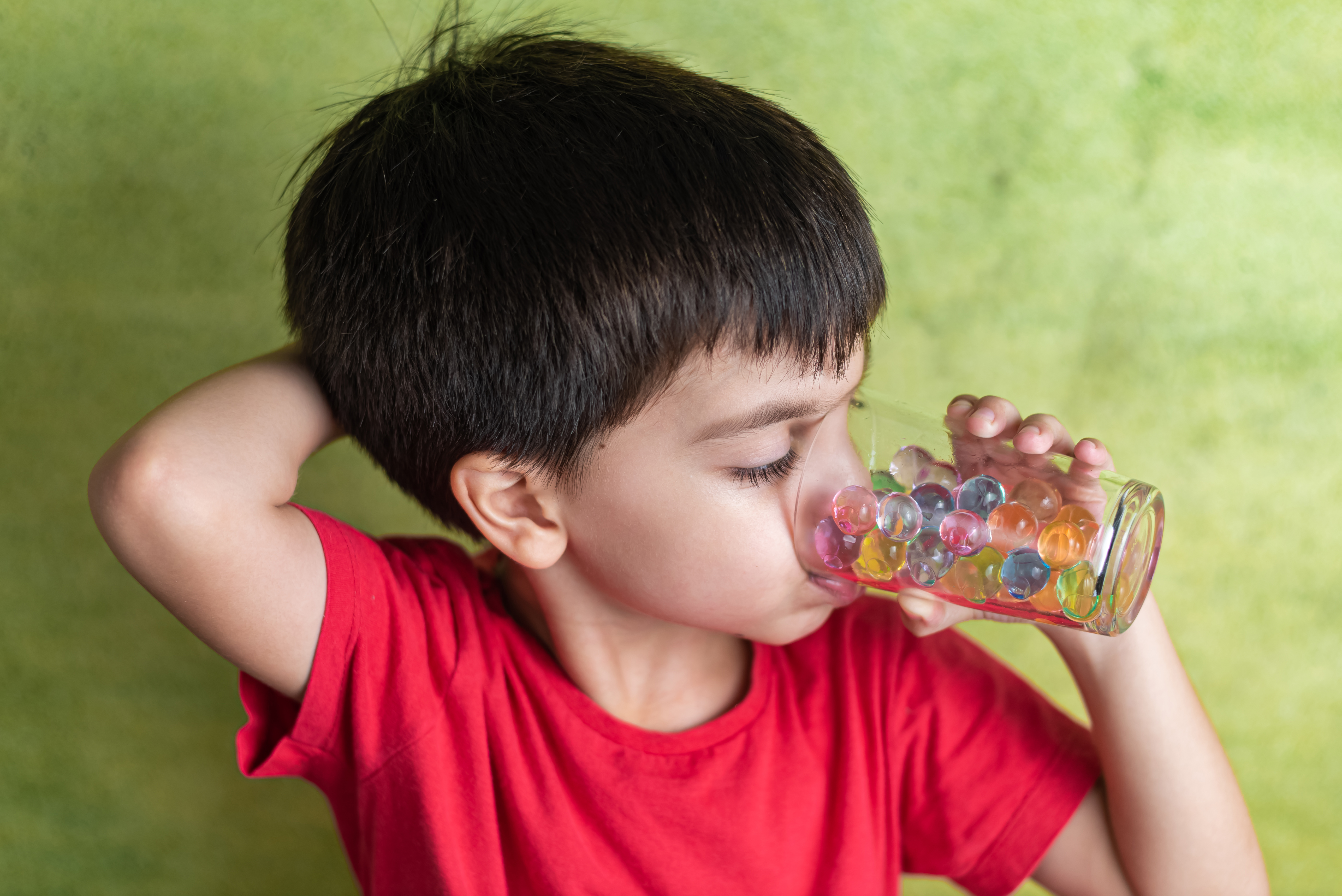
What is Dehydration in Children?
Dehydration in children happens when their bodies lose more fluids than they take in. This can occur quickly, especially in young kids. Because children have smaller bodies, they can become dehydrated faster than adults. Early signs of dehydration in children are important to notice. If not treated, dehydration can become serious. Therefore, parents and caregivers should know what to look for and how to respond.
Common Symptoms of Dehydration in Children
Recognizing the signs of dehydration in children helps you act quickly. Some symptoms are easy to spot, while others may be subtle. For example, a child may seem tired or cranky. Below are common symptoms to watch for:
Sometimes, children may also have a fever or seem confused. If you notice these symptoms, it is important to act quickly.
Causes of Dehydration in Children
There are many reasons why dehydration in children can occur. Some causes are more common in certain seasons or places. For instance, hot weather can increase fluid loss. Here are some main causes:
In hot climates, children need extra fluids. Therefore, parents should offer water often, especially during outdoor activities.
How Dehydration in Children is Diagnosed
Doctors use several ways to diagnose dehydration in children. First, they ask about symptoms and recent illnesses. Next, they check the child’s weight and vital signs. Sometimes, they look at the skin or mouth for dryness. In some cases, a doctor may order blood or urine tests. These tests help show how much fluid the child has lost. Early diagnosis is important because it helps prevent serious problems.
Treatment Options for Dehydration in Children
Treatment for child dehydration depends on how severe it is. For mild cases, home care is often enough. However, severe dehydration may need medical help. Here are common treatment steps:
In hospitals, doctors may give fluids through a vein if the child cannot drink. Quick treatment helps children recover faster.
Prevention Tips for Dehydration in Children
Preventing dehydration in kids is easier than treating it. Simple steps can keep your child safe, even in hot weather. Consider these tips:
With these steps, you can help prevent dehydration and keep your child healthy.
When to See a Doctor
Sometimes, dehydration in children can become an emergency. You should call a doctor right away if your child:
Early medical care can prevent serious health problems. If you are unsure, it is always best to ask a healthcare provider.
If you suspect your child is dehydrated, consult a pediatrician for personalized advice. Quick action can help your child recover and stay healthy.