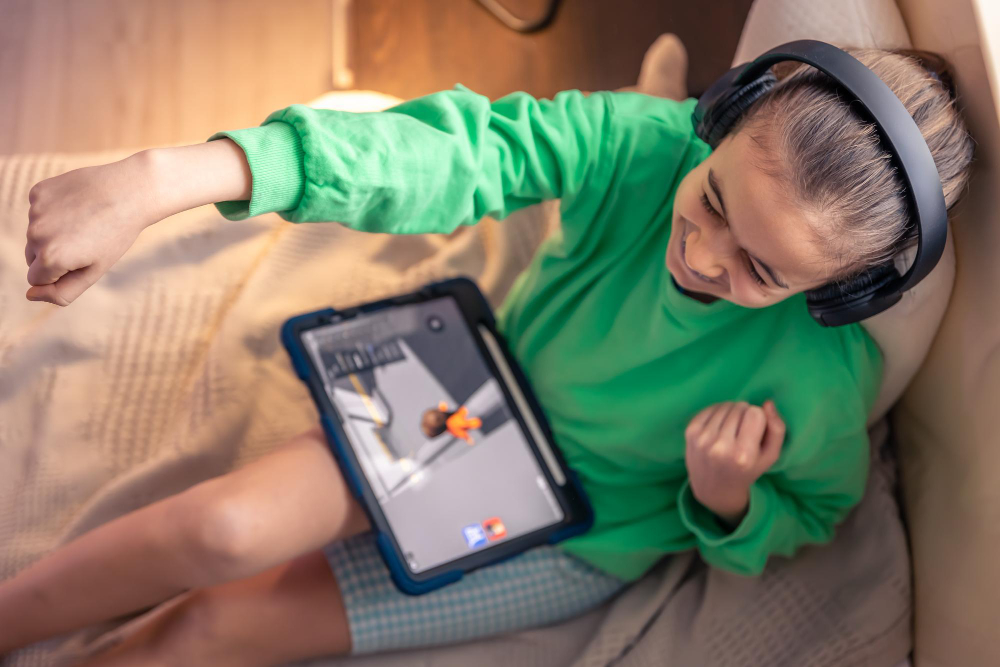
Introduction: What Is Screen Time and Why Does It Matter?
Screen time means the amount of time children spend using devices like phones, tablets, computers, or TVs. Today, many kids use screens for learning, fun, and talking to friends. However, the impact of screen time on children’s health is a growing concern for parents and doctors. Because screens are everywhere, it is important to understand how much is too much and how to find a healthy balance.
Common Symptoms and Signs of Excessive Screen Time in Children
Too much screen time can cause several signs in children. For example, you may notice your child:
Sometimes, these signs may be mild. But if they continue, it may be time to make changes.
Causes and Contributing Factors
Many reasons can lead to high screen time in children. For instance, easy access to devices at home or school can increase use. Also, busy parents may use screens to keep children occupied. Because online learning is common, children may spend more time on screens for schoolwork. In addition, some children use screens to cope with stress or boredom.
Physical and Mental Health Impacts
Excessive screen time can affect both the body and mind. For example, sitting for long periods can lead to weight gain. Children may also develop poor posture or eye strain. Moreover, too much screen time can disrupt sleep, making it hard for children to rest well. Mentally, children may feel anxious or sad. Some may have trouble paying attention or controlling their emotions. According to the American Academy of Pediatrics, too much screen time can also affect learning and social skills.
Recommended Screen Time Guidelines by Age
Experts like the World Health Organization and the American Academy of Pediatrics suggest these screen time guidelines for kids:
Because every family is different, these are general rules. Parents should adjust based on their child’s needs.
Tips for Parents to Manage and Balance Screen Time
Balancing screen time for children can be challenging. However, there are simple ways to help:
With these steps, children can learn healthy screen habits.
Prevention Strategies and Healthy Alternatives
To prevent problems, parents can offer fun alternatives to screens. For example, you can:
Because children often copy adults, try to limit your own screen time as well.
When to Seek Professional Help
Sometimes, children may need extra support. If your child shows ongoing mood changes, trouble sleeping, or falls behind in school, it may be time to talk to a doctor. Early help can prevent bigger problems later. For more advice, consult a pediatrician or child health expert.
Remember: Every child is different. For the best results, consult a pediatrician for personalized advice on managing your child’s screen time.