Introduction
Congenital heart disease in kids means a child is born with a problem in their heart’s structure. These heart defects can affect how blood flows through the heart and body. Because some symptoms are easy to miss, early recognition is very important. If you spot signs of congenital heart disease in children, you can help your child get the care they need. Early treatment often leads to better outcomes.
What Is Congenital Heart Disease?
Congenital heart disease is a group of heart problems present at birth. These defects can be simple, like a small hole in the heart, or more complex. Some children may have mild symptoms, while others may need urgent care. Although the exact cause is not always known, genetics and certain infections during pregnancy can play a role. According to the Centers for Disease Control and Prevention (CDC), congenital heart disease is the most common birth defect in children.
Common Symptoms of Congenital Heart Disease in Kids
Many parents wonder how to spot heart problems in kids. While symptoms can vary, some signs are more common. Not every child will have all symptoms. However, knowing what to look for can help you act quickly.
Sometimes, symptoms may appear soon after birth. In other cases, they may show up later. For example, mild defects might not cause problems until a child is older.
When to See a Doctor
If you notice any signs of congenital heart disease in children, it is important to act. Early medical attention can make a big difference. You should contact your doctor if your child:
In addition, if your child faints, has chest pain, or shows sudden changes in activity, seek help right away. These could be signs of a serious heart problem.
Diagnosis and Next Steps
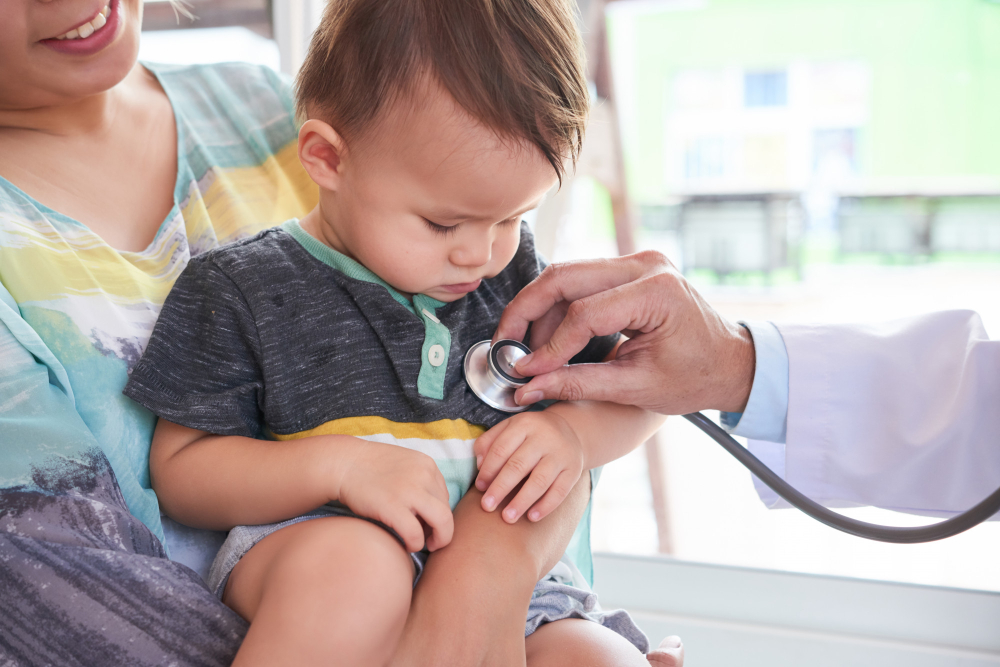
After you visit the doctor, they may listen to your child’s heart and ask about symptoms. Sometimes, they will order tests to check for pediatric heart defect symptoms. These tests may include:
Once a diagnosis is made, your doctor will discuss treatment options. Some children may only need regular checkups. Others may need medicine or surgery. With the right care, many kids with congenital heart disease live healthy lives.
Prevention and Lifestyle Tips
While not all cases can be prevented, there are steps you can take. For example, pregnant women should get regular checkups and avoid harmful substances. Vaccinations and good prenatal care can lower risks. If your child has a heart defect, healthy habits are important. Here are some tips:
Additionally, joining a support group can help families share experiences and advice.
If you notice any symptoms or have concerns, consult a pediatric cardiologist for personalized advice. Early action can help your child live a healthy life.