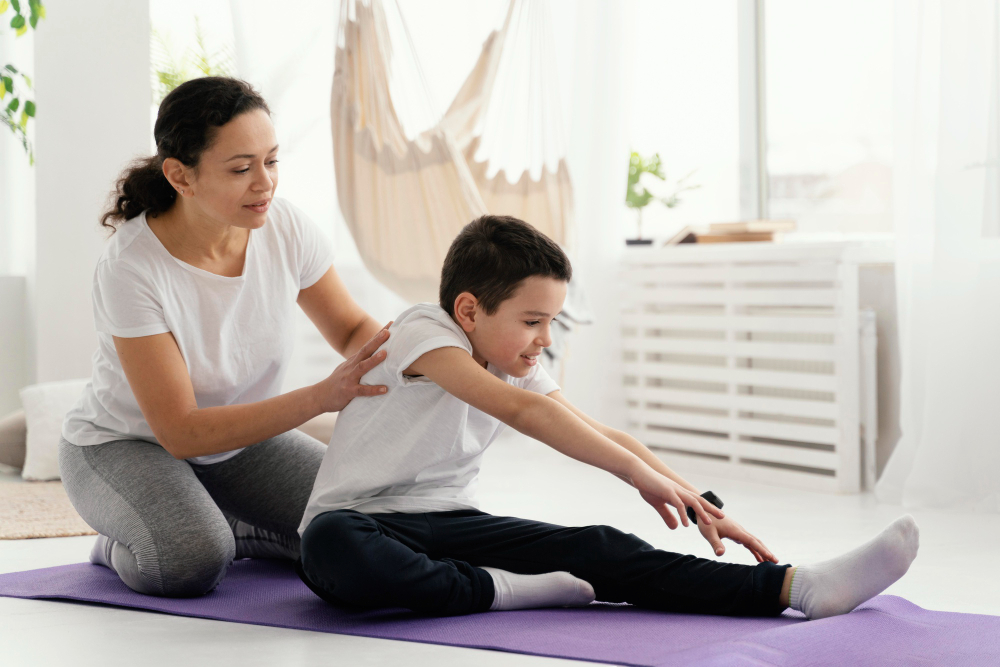
Physical therapy helps children move better and feel stronger. It is important for joint and muscle health in children. Many parents want to know how pediatric physical therapy can help with children’s joint health and muscle strength in kids. Early care can make a big difference. In this blog, you will learn about the benefits of physical therapy for joint and muscle health in children. You will also find helpful tips for parents and caregivers.
What Is Pediatric Physical Therapy?
Pediatric physical therapy is a special type of care for children. It helps kids who have trouble moving, walking, or playing. Often, therapists use fun games and exercises. These activities help children build strength and improve balance. For example, a child who struggles to run or jump may benefit from these sessions. In many cases, therapists work with children who have injuries, disabilities, or delays in movement. The main goal is to help each child reach their best level of movement and independence.
Common Joint and Muscle Issues in Children
Children can face many joint and muscle problems. Some issues are mild, while others need special care. For instance, kids may have:
Because children are still growing, early help is important. With the right support, many problems can improve or even go away.
How Physical Therapy Supports Joint and Muscle Health
Physical therapy uses safe exercises and stretches. These help keep joints flexible and muscles strong. For example, therapists may teach children how to move safely. They also show kids how to avoid injuries. In addition, therapy can help reduce pain and swelling. Over time, children learn how to use their bodies better. As a result, they can join in more activities with friends and family.
Key Benefits of Physical Therapy for Kids
There are many benefits of physical therapy for joint and muscle health in children. Some of the main benefits include:
According to the CDC, early therapy can help children reach important milestones. Therefore, starting therapy early is often best.
What to Expect During a Physical Therapy Session
During a session, a therapist will first check your child’s movement. Next, they will create a plan just for your child. Sessions often include:
Most sessions last about 30 to 60 minutes. Parents can watch or join in to help their child feel comfortable.
Tips for Parents: Supporting Your Child’s Progress
Parents play a big role in their child’s progress. Here are some ways to help:
Because children learn best when they feel supported, your involvement matters a lot.
Prevention and Long-Term Wellness
Physical therapy is not just for injuries. It can also prevent future problems. For example, regular exercises can keep joints and muscles healthy as your child grows. In addition, therapists teach good habits for posture and movement. Over time, these habits can lower the risk of pain or injury. As a result, children can stay active and healthy for years to come.
In summary, physical therapy offers many benefits for joint and muscle health in children. If you have concerns about your child’s movement, consult a pediatric physical therapist. They can give you advice that fits your child’s needs.