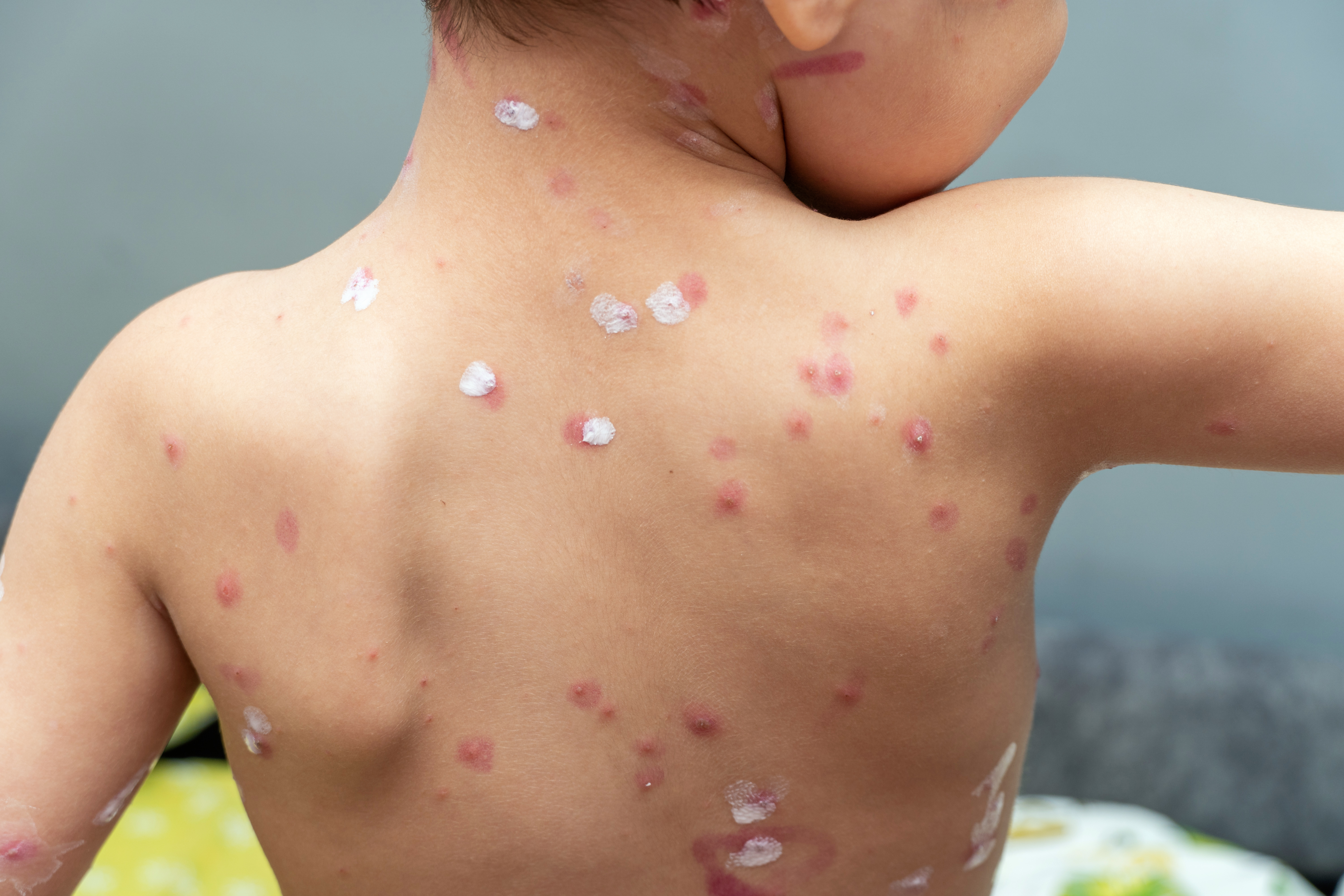
Common Pediatric Skin Conditions: Symptoms, Causes, Diagnosis, and Treatment

Introduction to Common Pediatric Skin Conditions

Many children experience skin problems at some point. Common pediatric skin conditions can cause discomfort, itching, or rashes. Early recognition helps parents manage these issues. In the United States, children often visit doctors for skin concerns. Understanding symptoms, causes, and treatments can help you care for your child’s skin.

Most Frequent Pediatric Skin Conditions

Several skin conditions are common in children. Below, you will find details about each, including symptoms, causes, diagnosis, and treatment options.

Eczema (Atopic Dermatitis)

  • Symptoms: Dry, red, and itchy patches, often on cheeks, arms, or legs. Sometimes, the skin may crack or ooze.
  • Causes: Eczema often runs in families. Allergies, dry skin, or irritants can trigger it.
  • Diagnosis: Doctors usually diagnose eczema by examining the skin. Sometimes, allergy tests help.
  • Treatment: Moisturizers, gentle soaps, and avoiding triggers help. Doctors may suggest steroid creams for flare-ups.
  • Prevention Tips: Keep skin moisturized. Use mild soaps. Dress your child in soft fabrics.
  • Impetigo

  • Symptoms: Red sores, usually around the nose or mouth. These sores may burst and form a yellow crust.
  • Causes: Bacteria cause impetigo. It spreads easily through touch.
  • Diagnosis: Doctors diagnose by looking at the sores. Sometimes, they take a sample for testing.
  • Treatment: Antibiotic creams or pills are used. Keep sores clean and covered.
  • Prevention Tips: Wash hands often. Do not share towels or clothing.
  • Diaper Rash

  • Symptoms: Red, sore skin in the diaper area. Sometimes, blisters or open sores appear.
  • Causes: Wet diapers, friction, or yeast infections can cause diaper rash.
  • Diagnosis: Doctors diagnose by examining the rash. Rarely, tests are needed.
  • Treatment: Change diapers often. Use barrier creams. Let the area air out when possible.
  • Prevention Tips: Change diapers quickly. Use gentle wipes. Allow diaper-free time daily.
  • Chickenpox

  • Symptoms: Itchy red spots that turn into blisters. Fever and tiredness may also occur.
  • Causes: The varicella-zoster virus causes chickenpox. It spreads through coughing or contact.
  • Diagnosis: Doctors diagnose by checking the rash and symptoms.
  • Treatment: Rest, fluids, and soothing lotions help. Doctors may give antiviral medicine in severe cases.
  • Prevention Tips: Vaccination protects against chickenpox. Avoid contact with infected people.
  • Warts

  • Symptoms: Small, rough bumps on the skin. Warts often appear on hands or feet.
  • Causes: Human papillomavirus (HPV) causes warts. The virus enters through small cuts.
  • Diagnosis: Doctors diagnose by looking at the bumps.
  • Treatment: Many warts go away on their own. Doctors may freeze or use special medicines to remove them.
  • Prevention Tips: Encourage children not to pick at warts. Keep feet dry and clean.
  • Ringworm

  • Symptoms: Red, ring-shaped rash with clear skin in the center. It may itch or scale.
  • Causes: A fungus causes ringworm. It spreads through skin contact or shared items.
  • Diagnosis: Doctors diagnose by examining the rash. Sometimes, they take a skin sample.
  • Treatment: Antifungal creams or pills are used. Keep the area clean and dry.
  • Prevention Tips: Do not share towels or hats. Wash hands after touching pets.
  • Molluscum Contagiosum

  • Symptoms: Small, firm, painless bumps with a dimple in the center.
  • Causes: A virus causes this condition. It spreads by skin contact or sharing items.
  • Diagnosis: Doctors diagnose by looking at the bumps.
  • Treatment: Most cases clear up on their own. Sometimes, doctors remove bumps or use creams.
  • Prevention Tips: Avoid sharing towels. Cover bumps to prevent spreading.
  • General Skin Care Advice for Children

    Good skin care can prevent many children’s skin problems. Here are some simple tips:

  • Use mild, fragrance-free soaps and shampoos.
  • Moisturize daily, especially after bathing.
  • Dress your child in loose, soft clothing.
  • Keep fingernails short to prevent scratching.
  • Encourage regular handwashing.
  • Protect skin from too much sun with hats and sunscreen.
  • According to the CDC and WHO, early care and hygiene help reduce skin infections in children. Always watch for changes in your child’s skin. If a rash or bump does not improve, seek medical advice.

    When to See a Doctor

    Sometimes, skin conditions need a doctor’s care. For example, if your child has a fever, pain, or spreading rash, call your pediatrician. Also, if home care does not help, a doctor can suggest the best treatment for kids’ skin conditions.

    Conclusion

    In summary, common pediatric skin conditions are treatable. Early care and prevention make a big difference. For any concerns about your child’s skin health, consult a pediatrician for personalized advice.