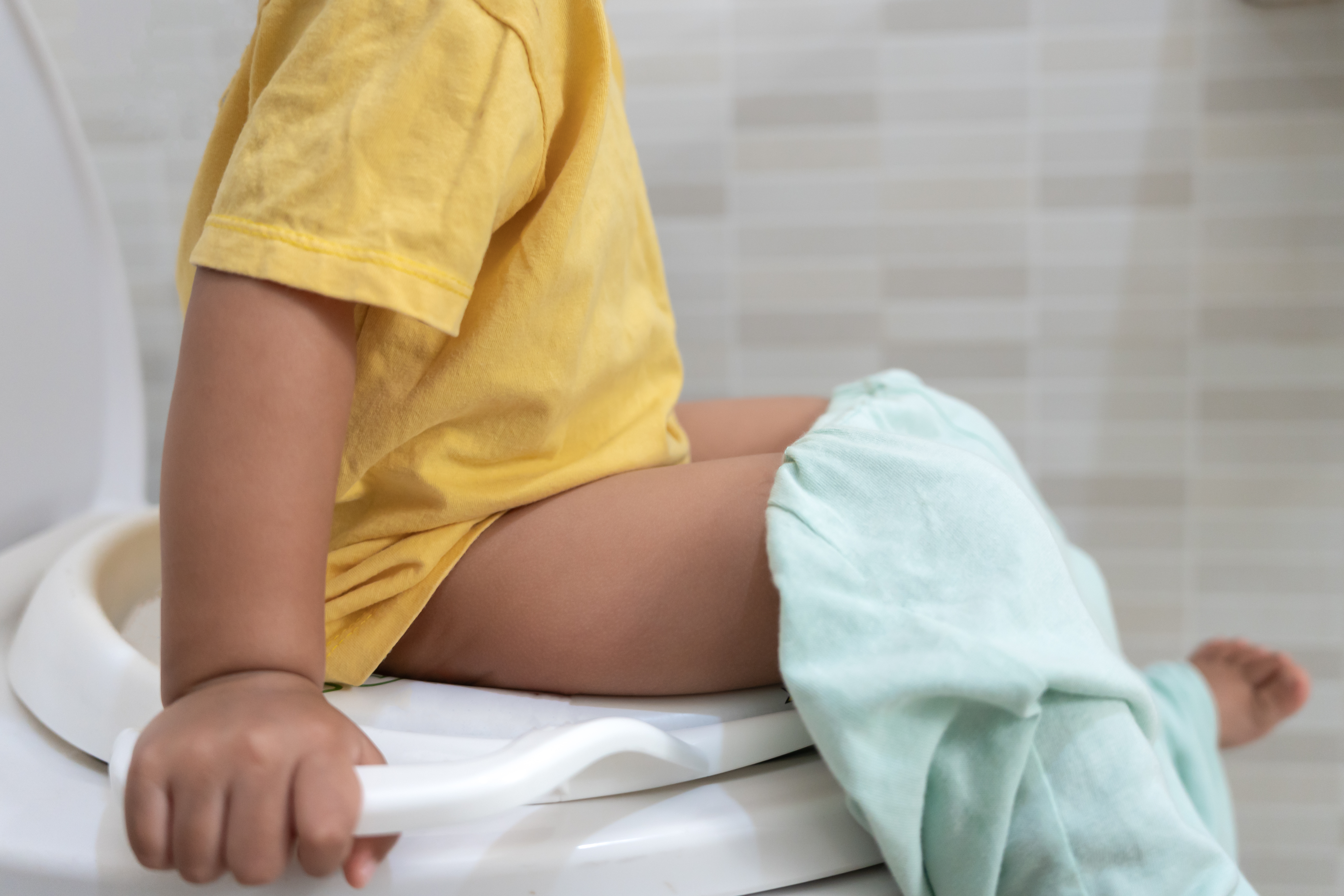
What is Diarrhea in Children?
Diarrhea in children means having loose or watery stools more often than usual. Often, this condition can last a few days. However, sometimes it may last longer. Because children lose fluids quickly, diarrhea can lead to dehydration. For this reason, it is important to watch your child closely and act early.
Common Causes of Diarrhea in Children
Many things can cause diarrhea in children. Most often, an infection is the reason. But, other causes are possible too. Here are some common pediatric diarrhea causes:
Because there are many causes, it is important to look for other symptoms as well.
Recognizing Symptoms of Pediatric Diarrhea
Children with diarrhea often show more than just loose stools. In fact, you may notice other signs too. Watch for these symptoms:
If your child has any of these symptoms, keep a close eye on them. Sometimes, symptoms can get worse quickly.
How is Diarrhea Diagnosed in Children?
Doctors usually ask about your child’s symptoms and recent activities. For example, they may ask about travel, new foods, or sick contacts. Sometimes, a stool sample is needed to check for germs. Blood tests are rare but may be done if the child is very sick. Most of the time, the cause is clear from the history and exam.
Effective Treatment Options for Children
Treating diarrhea in kids focuses on preventing dehydration. Most cases get better on their own. However, some children may need extra care. Here are common treatment steps:
Because dehydration can be serious, always encourage your child to drink fluids.
Home Care and Lifestyle Tips
At home, you can help your child feel better. For instance, try these tips:
Additionally, always wash your hands after changing diapers or cleaning up vomit.
Preventing Diarrhea in Children
Prevention is key to keeping your child healthy. You can lower the risk of diarrhea in children by following these steps:
Because germs spread easily, good hygiene is very important.
When to Seek Medical Help
Sometimes, diarrhea in children can be serious. You should see a doctor right away if your child:
If you are unsure, it is always better to ask a healthcare provider. Early care can prevent complications.
Consult a pediatrician for personalized advice and care.