Essential Summer Care Tips for Children: Keeping Kids Safe and Healthy

Summer is a fun time for children, but it can also bring health risks. Parents and caregivers need to follow the right summer care tips for children to keep kids safe and healthy. With rising temperatures and more outdoor play, it is important to protect children from heat, sunburn, dehydration, and other dangers. This guide shares simple, expert-backed advice to help your child enjoy summer safely.

Hydration and Nutrition

During summer, children lose more water through sweat. Therefore, keeping them hydrated is very important. Good nutrition also helps them stay active and healthy.

  • Encourage your child to drink water every hour, even if they are not thirsty.
  • Offer fresh fruits like watermelon, oranges, and berries for extra fluids.
  • Limit sugary drinks and sodas, as these can cause dehydration.
  • Include light, balanced meals with vegetables, lean proteins, and whole grains.
  • Pack healthy snacks when going outdoors, such as cut fruits or yogurt.
  • According to the CDC, children need more fluids in hot weather to prevent dehydration.

    Sun Protection and Skin Care

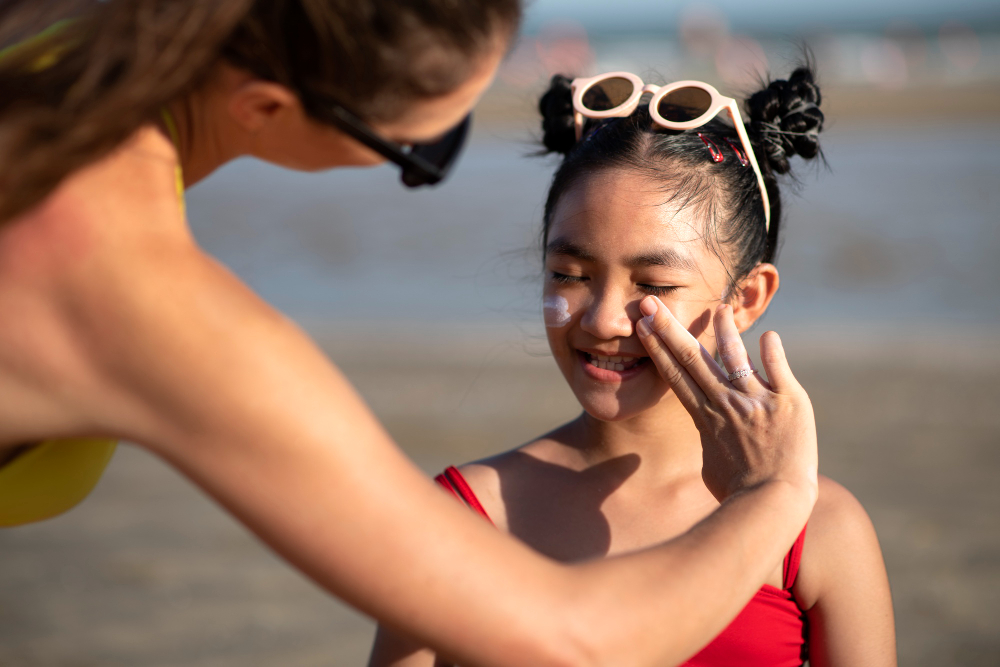
    Sunburn can happen quickly, especially in young children. For this reason, sun protection is key for summer safety for kids.

  • Apply broad-spectrum sunscreen (SPF 30 or higher) 15 minutes before going outside.
  • Reapply sunscreen every two hours, or after swimming or sweating.
  • Encourage children to play in shaded areas, especially between 10 a.m. and 4 p.m.
  • Use hats with wide brims and sunglasses for extra protection.
  • Moisturize skin after sun exposure to prevent dryness.
  • The American Academy of Pediatrics recommends sunscreens for all children older than 6 months.

    Preventing Heat-Related Illnesses

    Heat exhaustion and heatstroke are serious risks in hot weather. But with a few steps, you can protect your child from these dangers.

  • Plan outdoor activities in the early morning or late afternoon.
  • Take frequent breaks in cool or shaded places.
  • Dress children in light, loose-fitting clothes.
  • Never leave children in parked cars, even for a short time.
  • Watch for signs of heat illness, such as headache, nausea, or dizziness.
  • According to the WHO, children are more likely to get heat-related illnesses than adults.

    Safe Outdoor Activities

    Outdoor play is important for children’s health. However, safety should always come first.

  • Check playground equipment for hot surfaces before use.
  • Supervise children near pools, lakes, or beaches at all times.
  • Teach children basic water safety rules.
  • Encourage wearing helmets when biking or skating.
  • Use insect repellent when playing in grassy or wooded areas.
  • For families in cities with high temperatures, plan indoor activities during peak heat hours.

    Insect Bite and Allergy Prevention

    Summer brings more insects and pollen, which can cause bites or allergies. Still, you can lower these risks with simple steps.

  • Dress children in long sleeves and pants when outdoors in the evening.
  • Apply child-safe insect repellent on exposed skin and clothes.
  • Keep windows and doors closed or use screens to keep bugs out.
  • Wash hands and face after outdoor play to remove pollen.
  • Watch for signs of allergic reactions, such as swelling or trouble breathing.
  • The CDC suggests using EPA-approved repellents for children over two months old.

    Clothing and Hygiene Tips

    Proper clothing and hygiene help protect children from heat and infections. In addition, they keep your child comfortable during summer activities.

  • Choose light-colored, breathable fabrics like cotton.
  • Change sweaty clothes often to prevent rashes.
  • Encourage daily baths or showers, especially after outdoor play.
  • Keep nails short and clean to avoid infections.
  • Use gentle soaps and moisturizers to protect sensitive skin.
  • Signs to Watch For: When to Seek Medical Help

    Sometimes, children may show signs of illness that need quick action. Therefore, knowing these signs can help you respond fast.

  • High fever that does not go down with medicine
  • Severe sunburn with blisters or pain
  • Vomiting, diarrhea, or refusal to drink fluids
  • Confusion, fainting, or trouble breathing
  • Swelling, hives, or signs of an allergic reaction
  • If you notice any of these, seek medical help right away.

    Conclusion

    Summer can be safe and fun for children with the right care. By following these summer care tips for children, you can help your child stay healthy and happy. For personalized advice, consult your pediatrician before making any changes to your child’s routine.