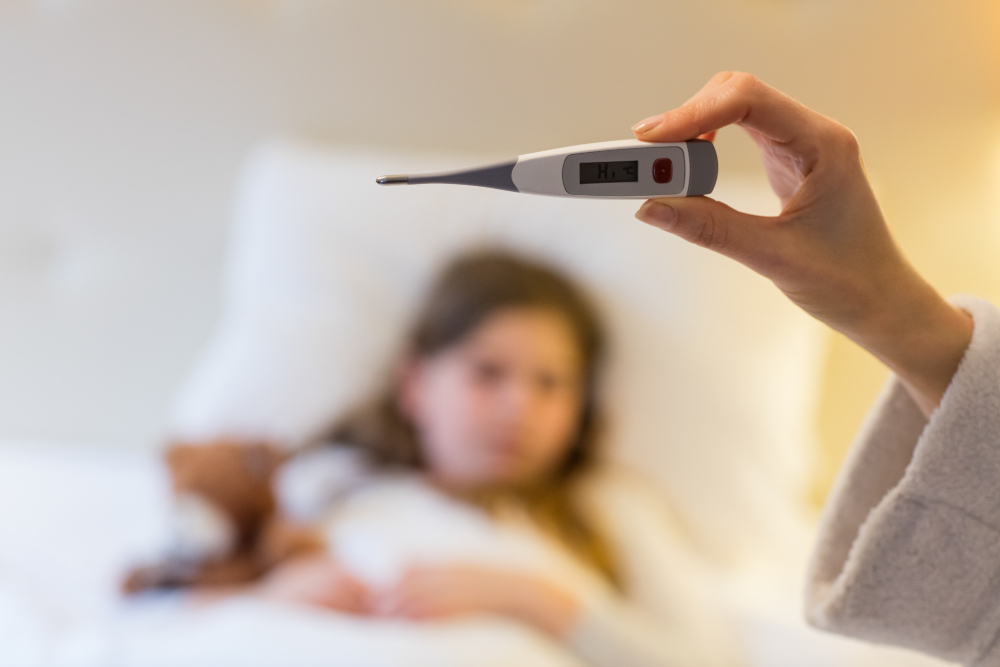
What Are Febrile Seizures?
Febrile seizures are sudden fits that happen in young children when they have a fever. Usually, these seizures occur in children between 6 months and 5 years old. In the United States, febrile seizures are the most common type of seizure in children. Although they can be scary, most febrile seizures are not harmful. Often, they do not cause long-term health problems. Parents and caregivers often worry, but knowing the facts can help ease concerns.
Common Symptoms
Febrile seizures can look different in each child. However, most children show some common signs. For example, you might notice:
Usually, febrile seizures last less than five minutes. Afterward, your child may be sleepy or confused for a short time. Still, most children recover quickly.
Causes and Risk Factors
Febrile seizures are linked to a sudden rise in body temperature. While the exact cause is not always clear, several factors can increase the risk. For instance, children are more likely to have febrile seizures if:
Even so, most children with fevers do not have seizures. According to the CDC, only about 2% to 5% of children in the United States experience febrile seizures.
How Febrile Seizures Are Diagnosed
Doctors diagnose febrile seizures by asking about your child’s symptoms and medical history. Often, they will do a physical exam. Sometimes, doctors may order tests to rule out other causes. For example, they may check for infections or other health problems. However, most children do not need many tests if the seizure was short and your child is healthy otherwise.
Treatment Options
Most febrile seizures stop on their own within a few minutes. Therefore, treatment usually focuses on keeping your child safe during the seizure. Doctors may recommend:
In rare cases, if a seizure lasts longer than five minutes, emergency care may be needed. Sometimes, doctors may give medicine to stop the seizure. But for most children, no long-term treatment is needed.
Home Care and Safety Tips
When your child has a febrile seizure, staying calm is important. Here are some steps you can take at home:
If the seizure lasts longer than five minutes, call emergency services right away. Also, seek help if your child has trouble breathing or does not wake up after the seizure.
Prevention Strategies
While you cannot always prevent febrile seizures, there are steps you can take to lower the risk. For example:
However, even with these steps, some children may still have febrile seizures. Most importantly, remember that these seizures are usually not dangerous.
When to See a Doctor
Although febrile seizures are often harmless, you should contact your doctor if:
Additionally, always seek medical advice if you are unsure or worried about your child’s health.
If your child experiences a febrile seizure, consult a pediatric specialist for personalized guidance.