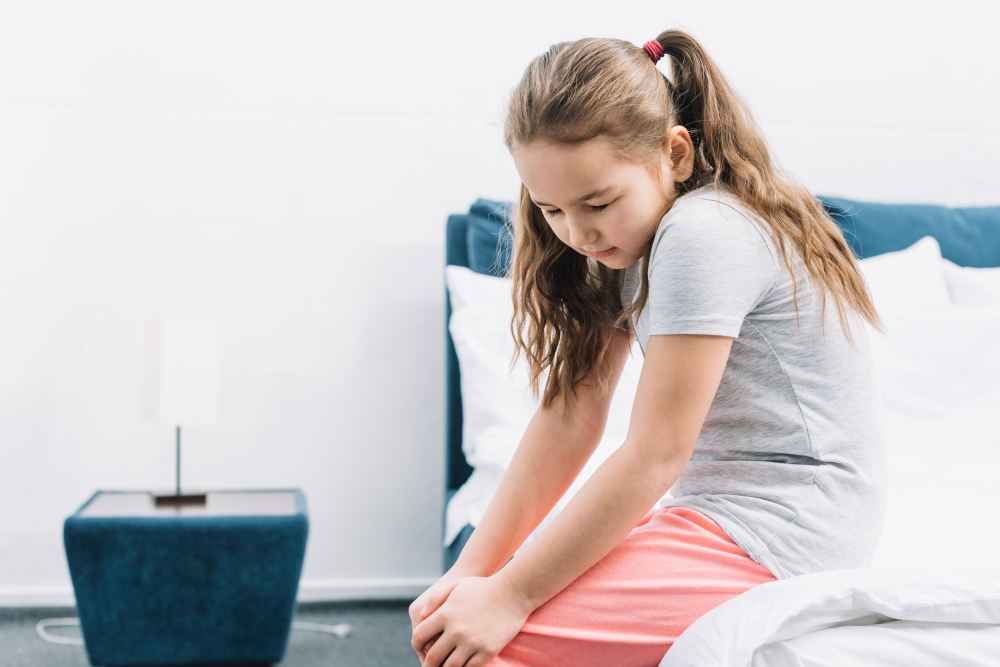
Many people notice joint pain in winter. This discomfort can affect anyone, from children to older adults. In fact, winter joint discomfort is common as temperatures drop. Cold weather joint pain relief is important for a better quality of life. While some feel mild aches, others may struggle with daily tasks. Understanding the causes, symptoms, and treatments can help you manage joint pain in winter.
What Is Joint Pain in Winter?
Joint pain in winter means your joints hurt more when it is cold. For many, the pain gets worse as the weather changes. This happens because cold air can make muscles and joints stiff. Also, people tend to move less in winter, which can add to the problem. As a result, joints may feel sore, achy, or swollen. Even healthy people can notice this change during colder months.
Common Symptoms
Winter joint pain can show up in different ways. However, some symptoms are more common than others. Watch for these signs:
Sometimes, these symptoms can make daily activities harder. For example, you may find it tough to walk, write, or play sports. If symptoms last or get worse, it is important to seek help.
Main Causes
Several reasons explain why joint pain increases in winter. First, cold weather can make the tissues around joints tighten. This leads to stiffness and pain. Second, lower temperatures may slow blood flow to the joints. As a result, joints may not get enough warmth or nutrients. Third, people often move less in winter. Less movement can weaken muscles and make joints less flexible. In addition, changes in air pressure can affect joint fluid, causing more discomfort. For those with arthritis, these effects can be stronger.
Diagnosis
Doctors use several steps to diagnose joint pain in winter. First, they ask about your symptoms and when they started. Next, they may check your joints for swelling, warmth, or redness. Sometimes, doctors order X-rays or blood tests to rule out other problems. If pain is severe, lasts more than a few weeks, or comes with fever, see a doctor. Early diagnosis helps prevent further joint damage and improves treatment results.
Treatment Options
There are many ways to find relief from winter joint pain. Some people feel better with simple home remedies. Others may need medical care. Here are some options:
If home remedies do not help, or if pain gets worse, seek professional advice. Doctors can suggest the best treatment for your needs.
Lifestyle Tips for Prevention and Relief
There are many ways to prevent and manage joint pain in winter. Try these simple tips:
By following these steps, you can lower your risk of winter joint discomfort. Even small changes can make a big difference.
When to Consult a Pediatrician or Specialist
Sometimes, joint pain in winter needs expert care. Watch for these red flags:
If you notice any of these signs, consult a pediatrician or healthcare specialist. Early help can prevent long-term problems and improve your quality of life.
For personalized advice on managing joint pain in winter, consult a pediatrician or healthcare specialist. They can help you find the best plan for relief and prevention.