Introduction
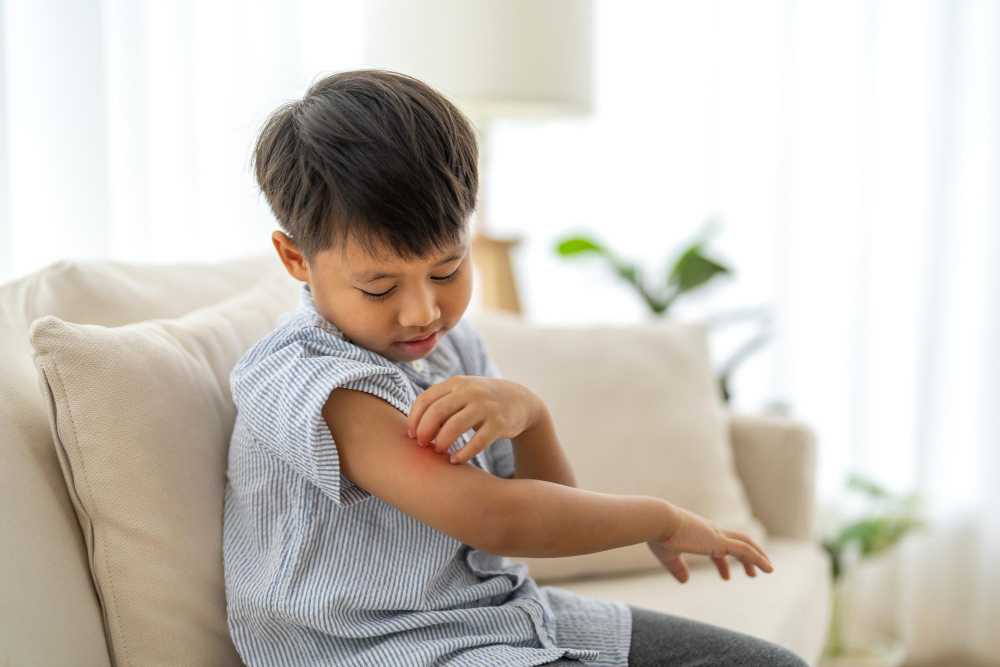
Fungal rashes in children are common and can cause worry for parents. These rashes often appear as red, itchy patches on the skin. Many parents try over-the-counter (OTC) steroid creams to help. However, using these creams can make things worse. Managing fungal rashes in children safely is important for their health. In this blog, you will learn why you should avoid OTC steroid creams and how to treat your child’s skin rash the right way.
Symptoms of Fungal Rashes in Kids
Fungal rashes can look different on each child. Still, there are some common signs to watch for. For example, you may notice:
Sometimes, the rash spreads quickly. If you see these signs, your child may have a fungal infection.
Causes: How Fungal Rashes Develop and Spread
Fungal rashes are caused by tiny germs called fungi. These germs love warm, moist places. For instance, they often grow in skin folds, underarms, or between toes. Children can get fungal rashes from:
Because kids play together, fungal rashes can spread easily. Good hygiene helps lower the risk.
Dangers of OTC Steroid Creams for Kids
Many parents reach for OTC steroid creams to treat rashes. However, this can be risky. Steroid creams may reduce redness and itching at first. But, they do not kill the fungus. Instead, they can make fungal rashes worse over time. According to the CDC, steroids can weaken the skin’s defenses. As a result, the fungus can grow faster and spread more. In addition, using steroid creams on children’s skin can cause side effects, such as:
Therefore, it is best to avoid OTC steroid creams for kids’ skin rashes.
Proper Diagnosis: Why You Should See a Pediatrician
Because many skin rashes look alike, it is hard to tell them apart at home. Only a pediatrician can diagnose the rash correctly. For example, some rashes may look fungal but are caused by bacteria or allergies. A doctor may look at the rash or take a small skin sample. This helps make sure your child gets the right treatment. Early and proper diagnosis prevents the rash from getting worse.
Safe Treatment Options for Fungal Rashes in Children
Once a doctor confirms a fungal rash, safe treatments are available. The World Health Organization and pediatric experts recommend:
In some cases, your doctor may suggest oral antifungal medicine. However, this is only for severe or stubborn rashes. Always follow your doctor’s advice for safe treatment for kids’ skin rashes.
Prevention Tips: How to Prevent Fungal Rashes in Children
Preventing fungal rashes is easier than treating them. Here are some simple tips:
With these steps, you can help protect your child’s skin.
When to Seek Medical Help
Sometimes, a fungal rash can get worse or cause other problems. Seek medical help right away if you notice:
Early care can prevent serious problems and help your child heal faster.
Conclusion
In summary, managing fungal rashes in children needs safe and proper care. Avoid using OTC steroid creams, as they can make things worse. Instead, consult a pediatrician for safe and effective treatment of your child’s skin rash.