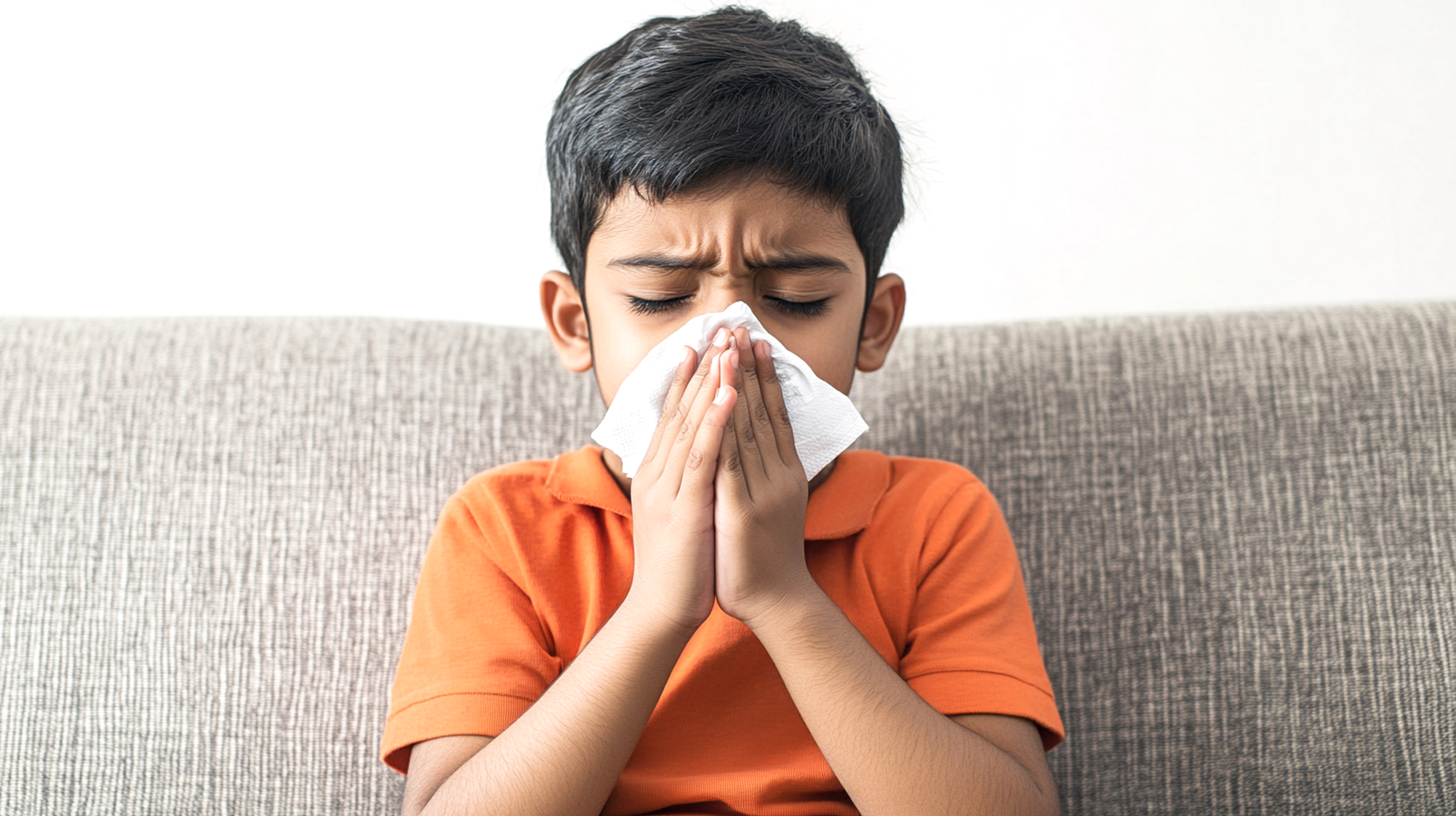
What Are Pediatric Allergies?
Pediatric allergies are allergic reactions that happen in children. These reactions occur when a child’s immune system reacts to things that are usually harmless. For example, dust, pollen, certain foods, or pet dander can trigger allergies. Because pediatric allergies are common, many parents want to know how to spot and manage them. Early recognition helps children stay healthy and comfortable.
Common Symptoms of Pediatric Allergies
Children with allergies can show different symptoms. However, some signs are more common than others. Knowing these symptoms helps parents act quickly. Look for:
Sometimes, symptoms can be mild. Other times, they may be severe and need quick care. For instance, trouble breathing or swelling of the throat is an emergency.
Main Causes and Risk Factors
Many things can cause pediatric allergies. Usually, the immune system reacts to allergens, which are triggers like pollen, dust mites, or certain foods. Some children are more likely to develop allergies. For example, if parents have allergies, their children have a higher risk. Other risk factors include:
Because each child is different, triggers can vary. But knowing the main causes helps parents reduce risks.
Diagnosis Methods for Pediatric Allergies
Doctors use several methods to diagnose pediatric allergies. First, they ask about symptoms and family history. Next, they may do a physical exam. In many cases, doctors use tests to find the exact allergen. These tests include:
Because early diagnosis is important, parents should talk to a doctor if they notice allergy symptoms in their child.
Treatment Options for Pediatric Allergies
There are many ways to treat pediatric allergies. Treatment depends on the type and severity of the allergy. Some common options include:
Besides medicine, lifestyle changes can help. For example, keeping windows closed during pollen season or using air filters at home can reduce symptoms. Always follow your doctor’s advice for the best results.
Prevention Tips for Parents
Although not all allergies can be prevented, parents can take steps to lower risks. Here are some helpful tips:
Because prevention is key, these steps can help reduce allergy flare-ups.
When to Consult a Pediatrician
Sometimes, allergies can be managed at home. However, you should consult a pediatrician if:
Because every child is unique, a pediatrician can give the best advice and treatment plan.
Conclusion
Pediatric allergies are common, but with timely care and proper management, children can lead healthy and active lives. Early identification of triggers, accurate diagnosis, and appropriate treatment are key to effective control of allergy symptoms.
For expert evaluation and personalized treatment plans, consult Wonderkids Paediatric & Multi-speciality Clinic for comprehensive pediatric allergy care tailored to your child’s needs.