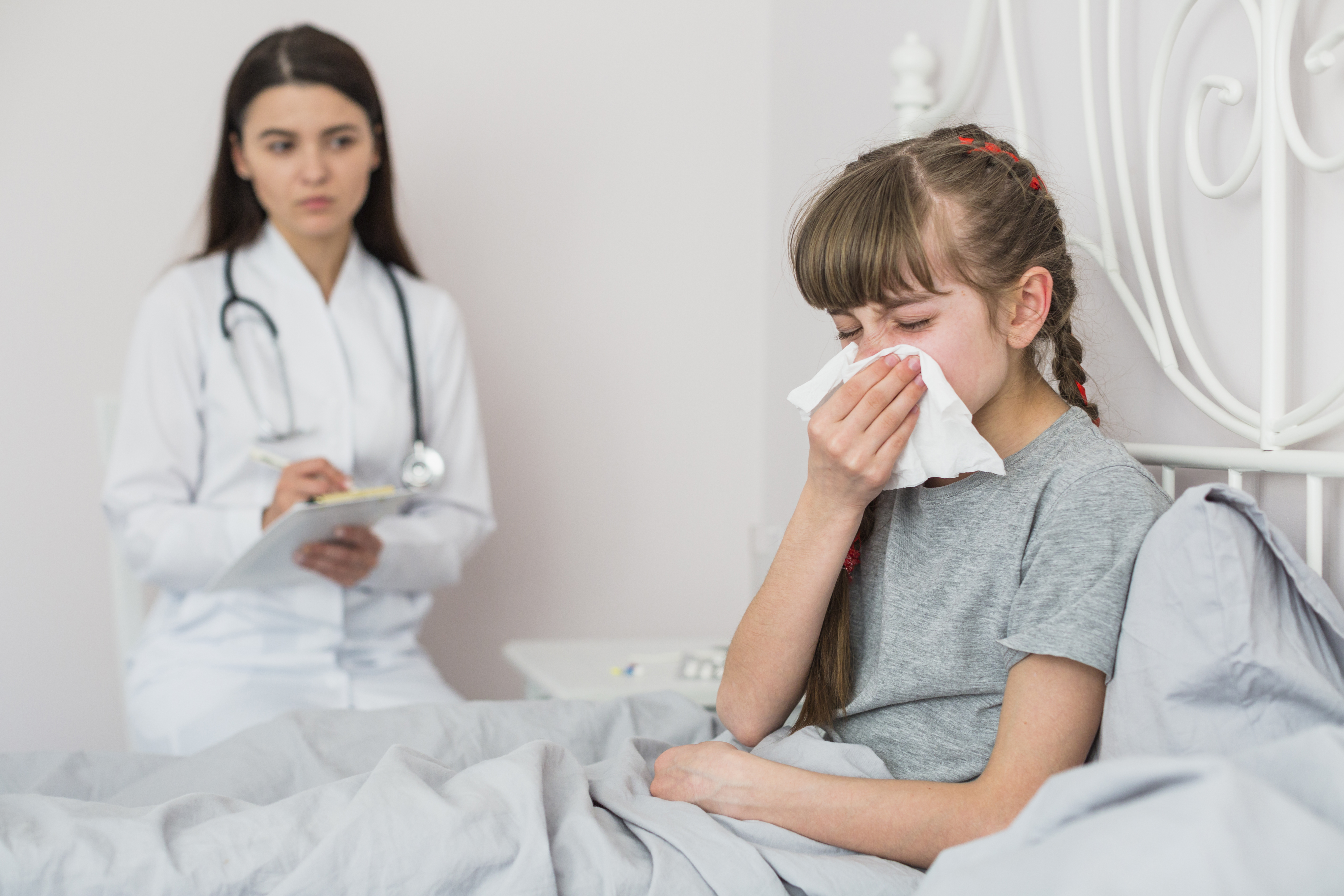
What Are Pediatric Allergies?
Pediatric allergies are common in children. They happen when a child’s immune system reacts to harmless things like pollen, food, or dust. Because the body thinks these things are dangerous, it tries to fight them off. This reaction can cause many symptoms. For parents, understanding pediatric allergies is important. Early care can help children feel better and stay healthy.
Common Symptoms of Pediatric Allergies
Children can show different signs when they have allergies. Sometimes, these symptoms are mild. Other times, they can be more serious. For example, you may notice:
However, not all children have the same symptoms. If you see any of these signs, it may be time to talk to your doctor. Early care can prevent more serious problems.
Causes and Risk Factors
Many things can cause pediatric allergies. Some children react to pollen, dust mites, pet dander, or certain foods. Others may be allergic to insect stings or medicines. In addition, family history plays a big role. If parents have allergies, their children are more likely to have them too. Also, children with asthma or eczema may have a higher risk. Sometimes, allergies start after a child is exposed to a trigger many times.
Diagnosis of Pediatric Allergies
Doctors use several ways to find out if a child has allergies. First, they ask about symptoms and family history. Next, they may suggest allergy testing for kids. These tests can include:
Because testing can help find the exact cause, it is important for proper treatment. The CDC and other health groups recommend seeing a pediatrician for allergy testing.
Treatment Options for Children
There are many ways to treat pediatric allergies. The right treatment depends on the type and severity of the allergy. Some common options include:
In some cases, doctors may suggest allergy shots. These can help reduce symptoms over time. However, always follow your doctor’s advice for managing allergies in children.
Lifestyle Tips and Prevention
Although you cannot always prevent pediatric allergies, you can lower the risk. Here are some helpful tips:
Additionally, early introduction of certain foods may help prevent some food allergies. The World Health Organization suggests talking to your doctor before making changes to your child’s diet.
When to See a Pediatrician
Sometimes, allergies can be serious. If your child has trouble breathing, swelling, or severe hives, seek help right away. Also, if allergy symptoms do not improve with home care, it is time to see a pediatrician. Early diagnosis and treatment can keep your child safe and healthy.
Conclusion and Call-to-Action
Pediatric allergies can affect your child’s daily life. However, with the right care, most children can manage their symptoms well. If you notice signs of allergies, do not wait. Consult a pediatrician for personalized advice on managing your child’s allergies.