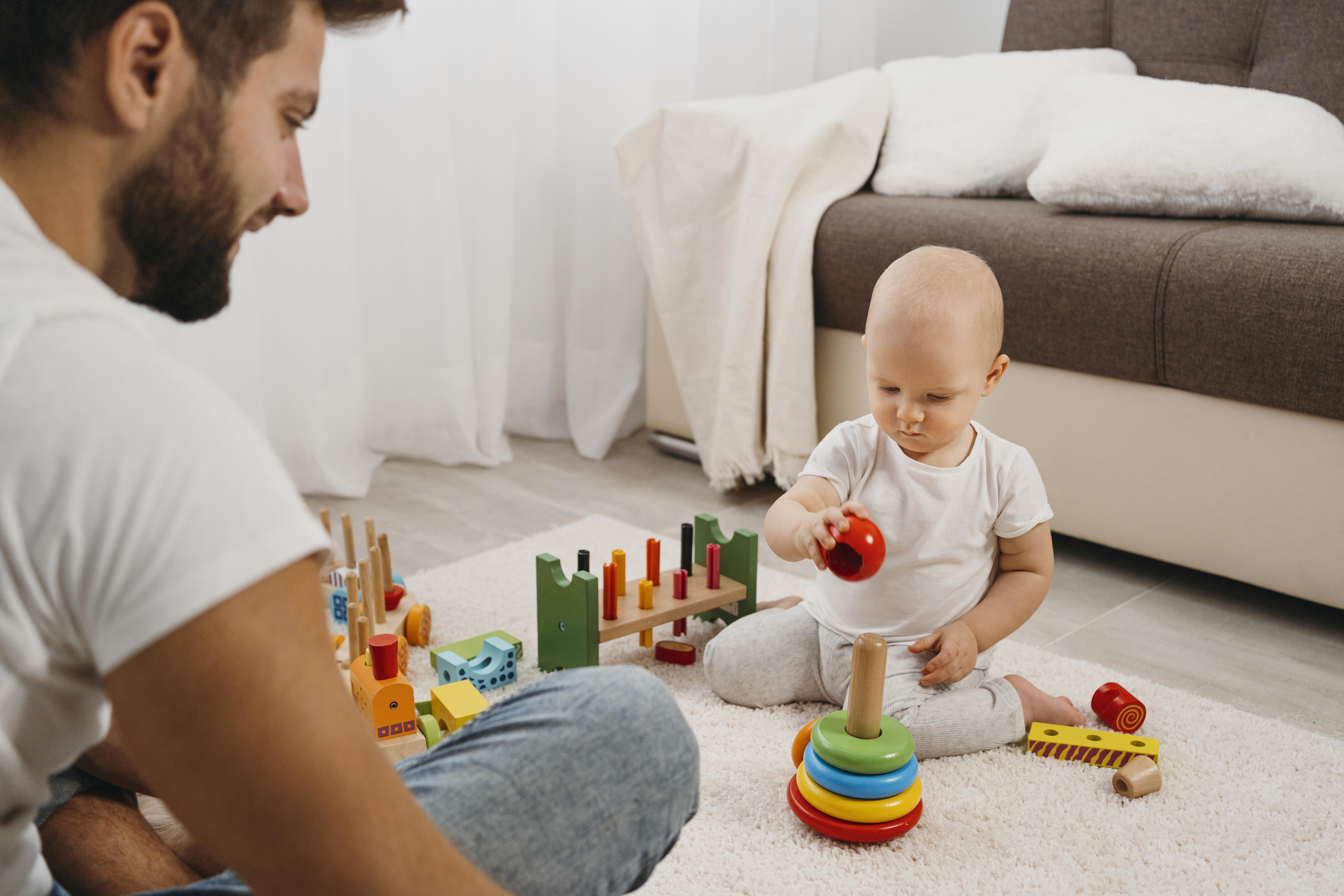
Introduction
Choosing the right tools to grow, like age-appropriate toys for child development, is important for every family. Toys are more than just fun. In fact, they help children learn, grow, and build important skills. When you pick toys that match your child’s age, you support their healthy development. This guide will show you how to select the best toys for child development and why it matters.
Importance of Age-Appropriate Toys
Not all toys are right for every child. Age-appropriate toys match a child’s stage of growth. For example, a toy that is too advanced can be frustrating. On the other hand, a toy that is too simple may not keep your child interested. According to the American Academy of Pediatrics, the right toys help children reach milestones. They also keep playtime safe and enjoyable.
How Toys Support Child Development
Toys do more than keep children busy. They help children learn in many ways. For instance, the best toys for child development support:
Because toys touch every part of growth, choosing the right ones is key. Educational toys by age can make learning fun and natural.
Age Groups and Recommended Toys
Every age group has different needs. Here are some safe toys for toddlers, infants, preschoolers, and early school-age children:
Infants (0-12 months)
Toddlers (1-3 years)
Preschoolers (3-5 years)
Early School-Age (5-7 years)
For American families, many stores label toys by age. This makes it easier to find the right match.
Safety Considerations When Choosing Toys
Safety should always come first. The CDC and the American Academy of Pediatrics recommend checking for:
Additionally, always supervise young children during play. If a toy breaks, remove it right away to avoid injury.
Tips for Parents: Selecting the Right Toys
Choosing toys can feel overwhelming. However, these tips can help you pick the best toys for your child’s growth:
Because every child is unique, watch how your child plays. This will help you learn what they enjoy and need.
Frequently Asked Questions (FAQs)
Conclusion
In summary, picking the right tools to grow, like age-appropriate toys for child development, helps your child learn and thrive. Always consider your child’s age, interests, and safety. For more help, consult a pediatrician or child development specialist for personalized advice on choosing the best toys for your child.