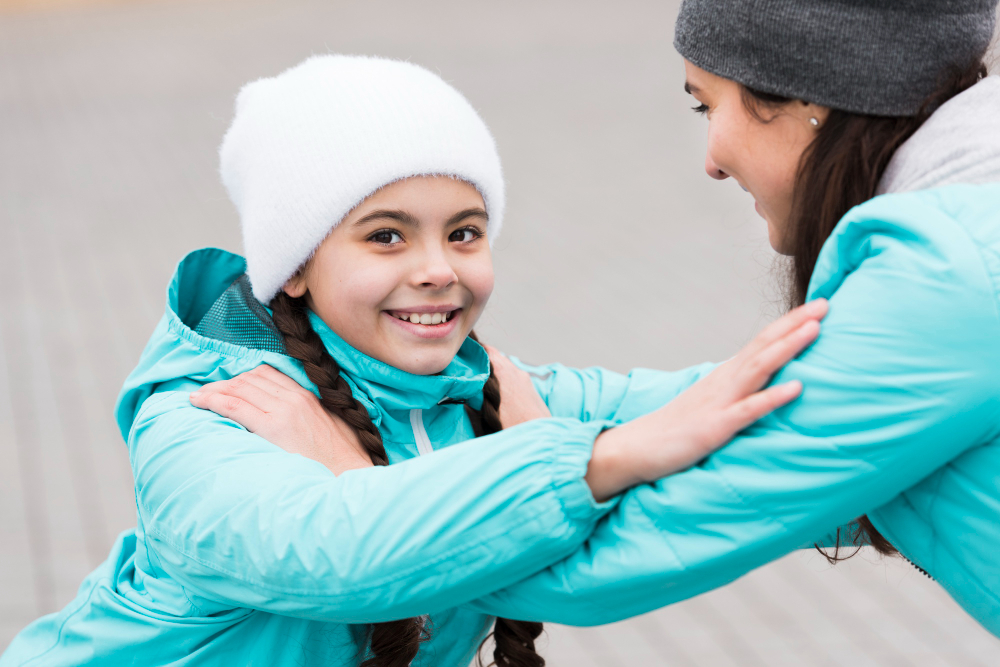
Winter immunity for children is important for every parent. As the cold months arrive, kids face more germs and viruses. Because of this, many parents look for natural ways to boost their child’s immunity in winter. Supporting your child’s immune system can help prevent winter illnesses in kids. In this guide, you will find simple tips for child immune system support, boosting immunity in children, and winter health tips for kids. Let’s explore how you can keep your child healthy this season.
Why Winter Immunity Matters for Children
During winter, children spend more time indoors. As a result, they are closer to others and can catch germs easily. Also, cold air can dry out their noses, making it easier for viruses to enter. For these reasons, winter immunity is key for children. Strong defenses help them fight off colds, flu, and other winter illnesses. In addition, a healthy immune system means fewer sick days and more fun for your child.
Common Winter Illnesses in Kids
Many illnesses are more common in winter. For example, children often catch colds, flu, and sore throats. Sometimes, they may get ear infections or coughs. In rare cases, children can get more serious illnesses like pneumonia. However, most winter illnesses are mild and go away with care. Knowing the signs can help you act early and keep your child comfortable.
How a Child’s Immune System Works
The immune system is the body’s defense against germs. In children, this system is still growing and learning. When your child meets a new germ, their body makes special cells to fight it. Over time, their immune system gets stronger. Because of this, children may get sick more often than adults. But with the right support, their bodies can learn to fight off many illnesses.
Natural Ways to Boost Your Child’s Immunity
There are many safe and natural ways to help your child stay healthy in winter. Here are some proven tips:
Balanced Nutrition
First, a healthy diet is key for child immune system support. Offer your child a variety of foods every day. For example, include:
In addition, make sure your child drinks enough water. Good hydration helps the body fight germs.
Adequate Sleep and Rest
Next, sleep is very important for boosting immunity in children. Most school-age kids need 9 to 12 hours of sleep each night. A regular bedtime routine can help your child rest well. Also, naps can be helpful for younger children.
Physical Activity and Outdoor Play
Even in winter, children need to move and play. Physical activity helps the immune system work better. For example, you can encourage your child to play outside when the weather is safe. If it’s too cold, try indoor games or dancing. Staying active keeps your child strong and happy.
Good Hygiene Habits
Teaching good hygiene is one of the best winter health tips for kids. Remind your child to:
These habits can stop germs from spreading at home and school.
Managing Stress and Emotional Well-Being
Sometimes, stress can weaken the immune system. Because of this, it’s important to support your child’s feelings. Talk with your child about their day. Encourage them to share worries. In addition, try calming activities like reading, drawing, or listening to music together. A happy mind helps keep the body healthy.
Prevention Tips for Winter Illnesses
Besides boosting immunity, you can take extra steps to prevent winter illnesses in kids:
These simple actions can lower the risk of getting sick.
When to Consult a Pediatrician
Most winter illnesses are mild. However, you should call your pediatrician if your child:
Early care can prevent problems and help your child recover faster.
In summary, winter immunity for children is within your reach. By using natural remedies for child immunity and following these tips, you can help your child stay healthy all season. Consult your pediatrician for personalized advice on keeping your child healthy this winter.