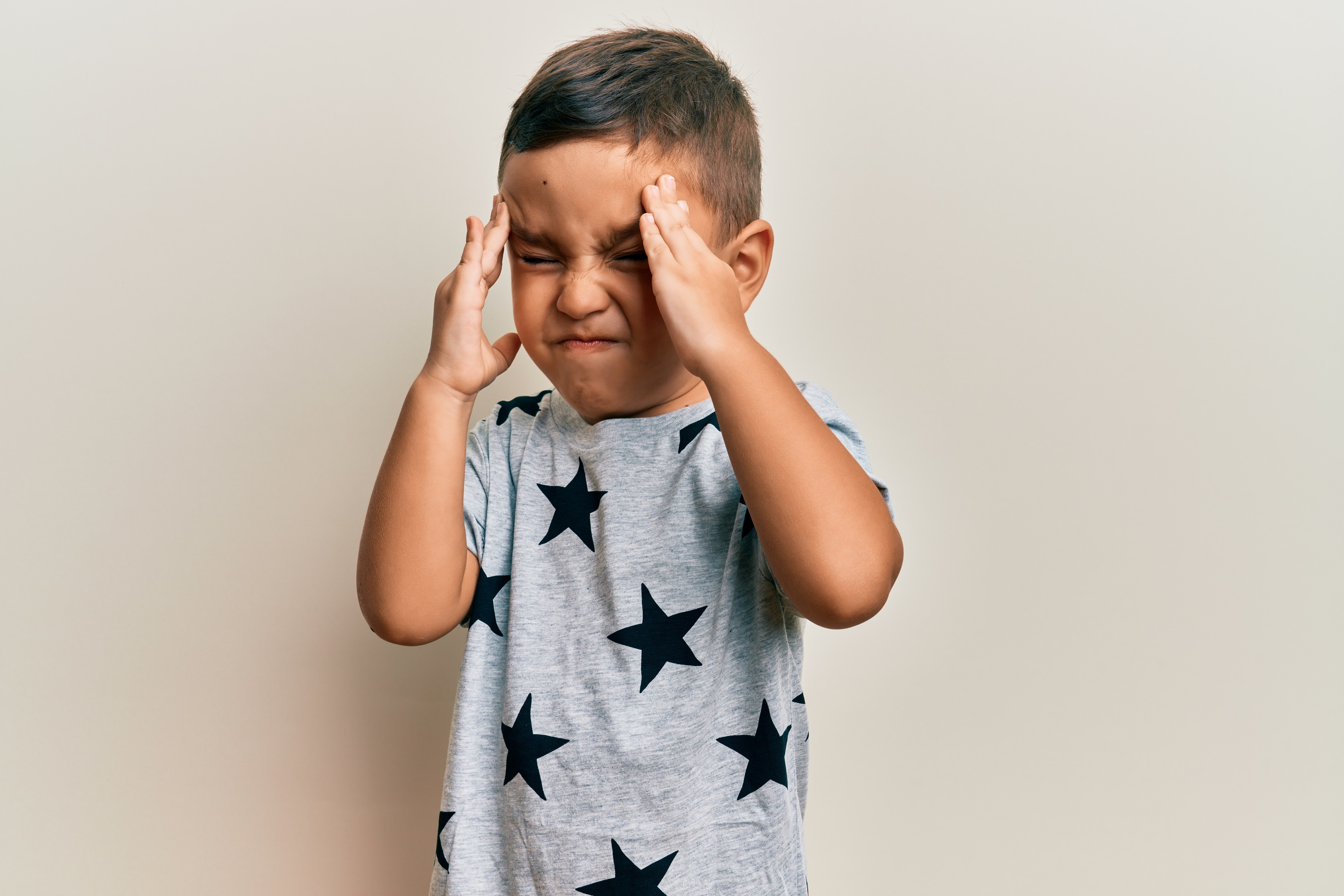
What Are Childhood Headaches?
Childhood headaches are common and can affect children of all ages. These headaches may cause pain in the head, face, or neck. While most headaches in children are not serious, they can still impact daily life. For many families, understanding childhood headaches helps them find the right care. Because headaches can have many causes, it is important to know the signs and when to seek help.
Common Causes of Childhood Headaches
Many things can lead to headaches in children. Some causes are simple, while others may need medical attention. Below are some common pediatric headache causes:
Because many factors can play a role, it is helpful to watch for patterns or triggers.
Recognizing Symptoms
Headache symptoms in children can vary. Sometimes, children may not describe their pain clearly. However, parents can look for these signs:
For example, younger children may cry or become quiet when they have a headache. Because symptoms can be different for each child, it is important to pay attention to any changes.
Diagnosis: How Doctors Identify Childhood Headaches
Doctors use several steps to diagnose childhood headaches. First, they ask about the child’s health history and symptoms. Next, they may perform a physical exam. Sometimes, doctors ask about family history, as migraines can run in families. In many cases, no tests are needed. However, if the headache is severe or unusual, doctors may order tests such as:
Because most headaches in children are not caused by serious problems, tests are only done when needed. Early diagnosis helps guide the best treatment for your child.
Treatment Options for Childhood Headaches
Treatment for childhood headaches depends on the cause and type. Often, simple steps can help ease pain. Here are some common treatment options:
Because each child is different, treatment should be tailored to their needs. Always talk to a doctor before giving any medicine.
Lifestyle Tips and Prevention
There are many ways to help prevent childhood headaches. With a few simple changes, families can lower the risk of headaches:
For example, keeping a daily routine can make a big difference. If headaches still happen, tracking them in a diary may help find patterns.
When to See a Doctor
Most childhood headaches are not serious. However, some signs mean you should see a doctor right away. Watch for:
If you notice any of these signs, contact your child’s doctor. Early care can help prevent problems and provide relief.
Call to Action: If your child experiences frequent or severe headaches, consult a pediatrician for personalized advice.