Introduction
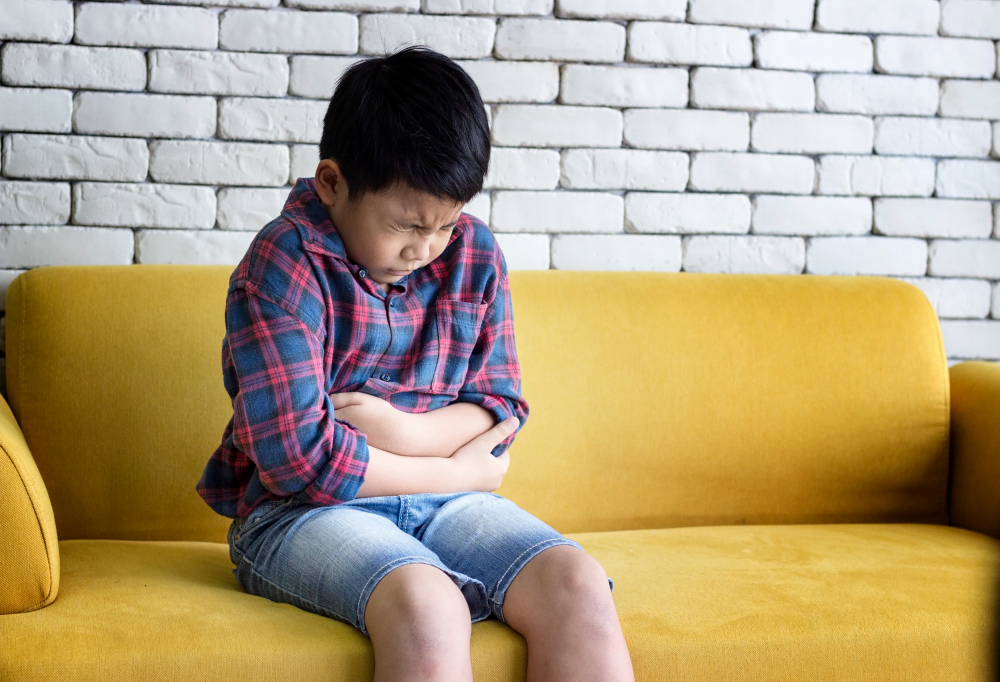
Viral gastroenteritis in children, often called the stomach flu, is a common illness. It causes vomiting, diarrhea, and stomach pain. Although most cases are mild, it can lead to dehydration, especially in young kids. Because children get sick easily, knowing the signs and how to care for them is important. Early action helps prevent serious problems. This guide explains stomach flu symptoms in kids, causes, diagnosis, treatment, and prevention. Understanding these facts helps parents and caregivers keep children healthy.
Symptoms
Symptoms of viral gastroenteritis in children can appear quickly. Usually, they start within one or two days after infection. However, the signs may vary from child to child. Common symptoms include:
Sometimes, children may also feel tired or weak. Because vomiting and diarrhea can cause dehydration, watch for signs like dry mouth, less urination, or crying without tears. If you notice these, act quickly.
Causes
Viral gastroenteritis in children is caused by several viruses. The most common ones are:
Children often catch these viruses from other sick kids or by touching contaminated surfaces. For example, sharing toys or eating food handled by someone with the virus can spread the illness. Because these viruses are very contagious, outbreaks often happen in schools or daycare centers.
Diagnosis
Doctors usually diagnose viral gastroenteritis in children based on symptoms and a physical exam. Most of the time, no special tests are needed. However, if symptoms are severe or last longer than usual, the doctor may order stool tests. These tests help rule out other causes, such as bacterial infections. In rare cases, blood tests may be done to check for dehydration or other problems.
Treatment Options
There is no specific medicine to cure viral gastroenteritis in children. Instead, treatment focuses on relieving symptoms and preventing dehydration. Key steps include:
In some cases, your doctor may suggest medicines to reduce fever or pain. However, antibiotics do not help because viruses cause the illness, not bacteria. If your child cannot keep fluids down or shows signs of dehydration, seek medical help right away.
Home Care and Lifestyle Guidance
At home, you can help your child recover faster. First, encourage rest. Next, offer bland foods like rice, bananas, or toast when your child feels hungry. Avoid sugary drinks, sodas, or fatty foods, as these can make diarrhea worse. Wash your hands often, especially after changing diapers or cleaning up vomit. Because comfort matters, keep your child cool and dress them in light clothing. If your child has a fever, use a cool cloth or give medicine as advised by your doctor.
Prevention Tips
Preventing gastroenteritis in children is possible with a few simple steps. For example:
Because viruses spread easily, these habits help protect your family and others.
When to See a Doctor
Sometimes, viral gastroenteritis in children can become serious. See a doctor if your child:
Early medical care can prevent complications and help your child recover safely.
Conclusion
Viral gastroenteritis in children is common but can be managed with proper care. Because quick action helps, watch for symptoms and keep your child hydrated. Practice good hygiene to lower the risk of spreading the virus. If you have concerns or your child’s symptoms worsen, consult a pediatrician for personalized advice. Your child’s health and safety come first.